How Much Does a Home Elevator Cost? What Homeowners Should Know
If you’re considering a home elevator for your North or South Carolina home, one of the first questions that comes up is cost. Because every home and every installation is different, prices can vary based on the system, design features, and the construction work involved. Understanding what affects the cost will help you make an informed decision, and choose a solution that fits your home, lifestyle, and long-term plans.
Below is a helpful breakdown of what goes into the overall investment.
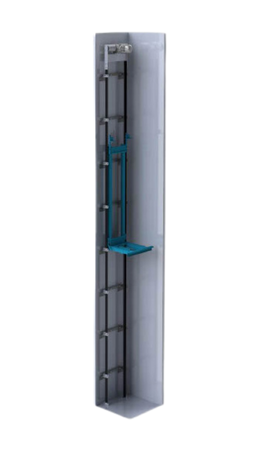
The Type of Elevator System You Choose
Hydraulic
A smooth and reliable option that’s often chosen for larger cabs or higher weight capacities.
Winding Drum
A compact, cost-effective system that works well in homes with tighter spaces.
Traction
One of the most popular options for homeowners in the Carolinas. Traction systems are quiet, energy-efficient, and a strong fit for both remodels and new construction.
When you pair a system with the right cab design, you create a solution that feels tailored to your home instead of something added as an afterthought.
Cab Style, Features, and Design Preferences
The style of the elevator cab also affects the final investment. Home Elevators & Lift Products offers four signature cab styles, The Myrtle Beach, Southport, Charleston, and Wilmington, each with its own look and personality.
Homeowners can choose details such as:
- Painted or wood-tone wall finishes
- Lighting options
- Gate and door configurations
- Handrails and trim styles
Construction and Site Preparation
Some homes require minimal adjustments to install a residential elevator, while others need more extensive preparation. Factors that affect construction cost include:
Whether the home is new construction or a retrofit
- The location of the shaftway or hoistway
- Electrical and mechanical requirements
- The number of floors being served
- Structural adjustments needed to support the system
Coastal Carolina homes, elevated foundations, and multi-level designs sometimes require additional planning, which is why a professional on-site evaluation is so important.
Cab Style, Features, and Design Preferences
The style of the elevator cab also affects the final investment. Home Elevators & Lift Products offers four signature cab styles, The Myrtle Beach, Southport, Charleston, and Wilmington, each with its own look and personality.
Homeowners can choose details such as:
- Painted or wood-tone wall finishes
- Lighting options
- Gate and door configurations
- Handrails and trim styles
Construction and Site Preparation
Some homes require minimal adjustments to install a residential elevator, while others need more extensive preparation. Factors that affect construction cost include:
Whether the home is new construction or a retrofit
- The location of the shaftway or hoistway
- Electrical and mechanical requirements
- The number of floors being served
- Structural adjustments needed to support the system
Coastal Carolina homes, elevated foundations, and multi-level designs sometimes require additional planning, which is why a professional on-site evaluation is so important.
Outdoor Lifts and Specialized Solutions
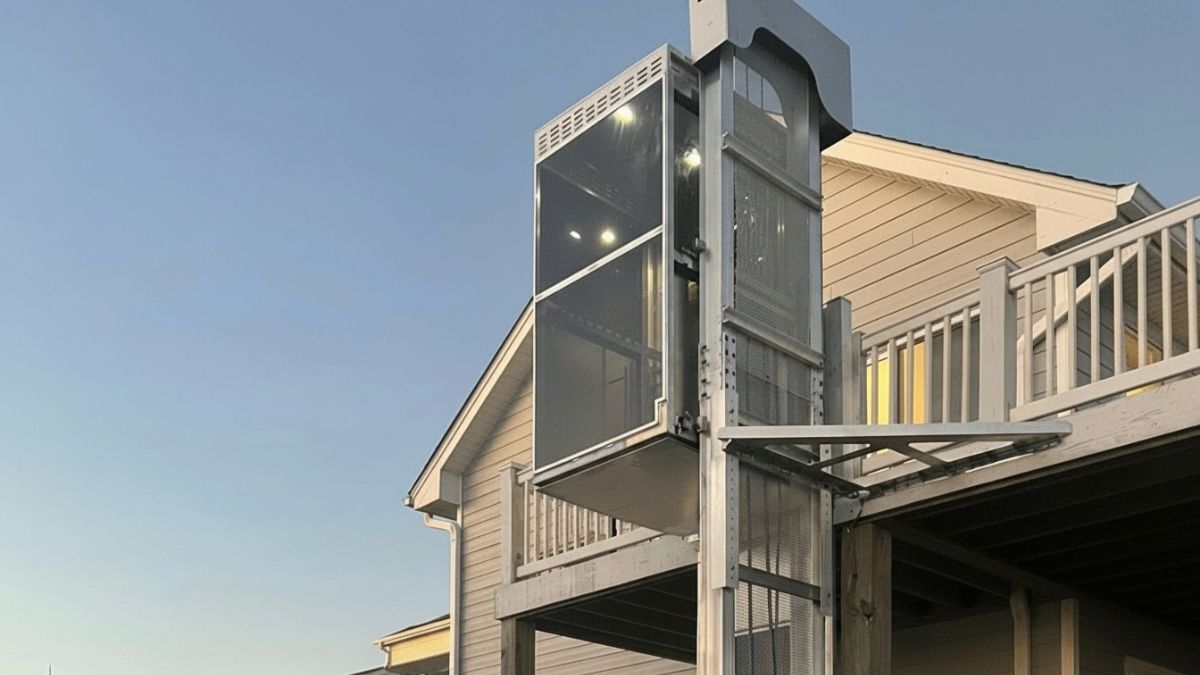
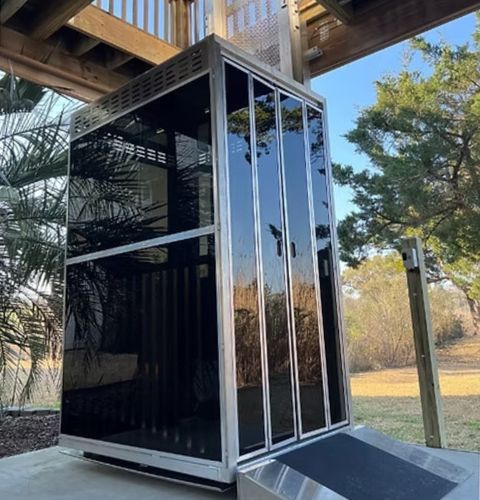
For homeowners with elevated decks, raised entryways, or multi-story coastal homes, an outdoor lift may be the most practical solution.
A popular option for this is The Carolina Lift, a locally manufactured all-aluminum and stainless passenger lift with a 750-lb capacity. Its modular design integrates easily with existing decks, and the stainless-steel ropes, slip-resistant flooring, and LED safety indicators make it a strong choice for coastal environments.
Outdoor lifts often differ in pricing from enclosed elevators, so the type of system you choose will influence the overall investment.
Installation and Professional Labor
A residential elevator is only as good as the team that installs it. Professional installation affects cost but ensures:
- Safety
- Code compliance
- Reliable long-term performance
- Smooth operation across all floors
Home Elevators & Lift Products installs systems along the North and South Carolina coasts and supplies complete systems to homeowners nationwide through a dealer network. This combination of local expertise and national reach helps keep installation efficient and accurate.
Long-Term Value and Cost Over Time
Many homeowners find that a home elevator becomes a long-term investment rather than a one-time expense. A well-installed elevator can:
- Improve accessibility
- Increase overall home value
- Support aging in place
- Make daily routines noticeably easier
Because of its impact on long-term comfort and independence, many families consider a home elevator one of the most valuable upgrades they can make.
Getting an Accurate Cost for Your Home
While general ranges are helpful, the only way to know the exact cost of a home elevator is through a free professional consultation. During an on-site visit, you’ll learn:
- Which system works best for your home
- What construction (if any) is needed
- Which cab styles fit your space
- How the installation will be planned
- The full cost tailored to your home’s layout
Every homeowner’s needs are different, and your final quote will reflect the system, features, and installation requirements that fit your home best.