Aging in Place: Why Home Elevators and Lifts Are Becoming Essential
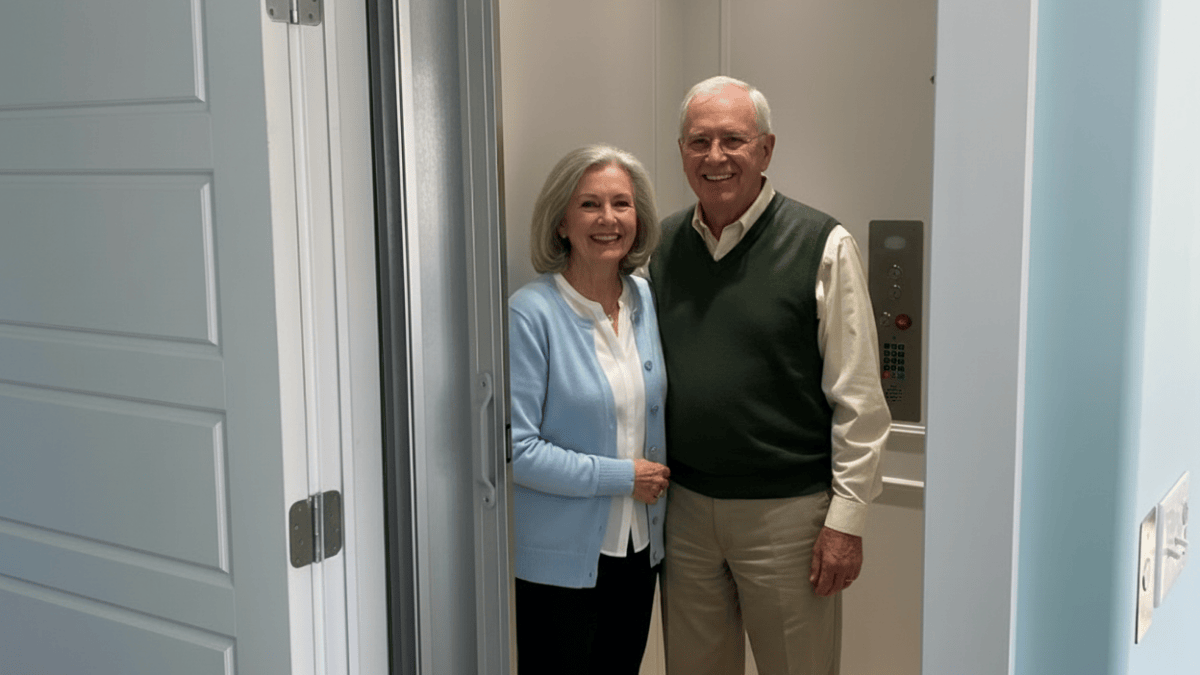
More homeowners are thinking ahead and updating their homes so they can remain comfortable and independent long into the future. This planning, often called aging in place, focuses on making homes safer, easier to move around in, and better suited for changing mobility needs. One of the upgrades many families consider is adding a home elevator or lift.
While not every home requires one, these systems can make a significant difference in everyday life, especially in multi-level homes common throughout the Carolinas.
Why Aging in Place Matters
Staying in your own home as you age offers more than comfort. It allows you to remain connected to your community, maintain routines, and live in a familiar environment. As mobility needs change, preparing the home ahead of time can reduce stress and prevent future challenges.
- Aging in place planning often includes:
- Improving lighting and visibility
- Minimizing trip hazards
- Adding grab bars or handrails
- Creating step-free entry points
- Adjusting layouts for accessibility
- Exploring options for moving between floors safely
That last point, safe movement between levels, is where home elevators and lifts become especially useful.
How Home Elevators Support Daily Living
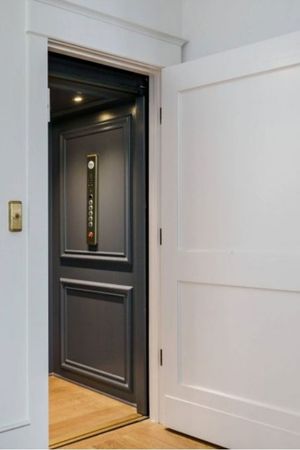
A home elevator provides full access to multiple floors without the strain of climbing stairs. For many families, it’s a long-term solution that supports independence and makes daily tasks more manageable.
Elevators can help with:
- Carrying groceries or laundry
- Moving between levels comfortably
- Supporting guests or family members with mobility limitations
- Reducing the risk of stair-related falls
They are also available in a variety of system types, hydraulic, traction, and winding drum being the most common, each with its own strengths depending on the home’s layout and needs.
Interior cab styles vary as well. Some homeowners prefer clean, modern designs, while others opt for warm, traditional finishes. Because residential elevators can be customized, they integrate easily into new builds or existing homes.
Where Home Lifts Make Sense
Home lifts offer another option for aging in place and can be especially helpful in homes where a full elevator isn’t necessary. These include:
Stair Lifts
Ideal for individuals who simply need support getting up and down a staircase.
Platform Lifts
Useful for reaching porches, decks, or short vertical distances without stairs.
Outdoor Lifts for Elevated Entryways
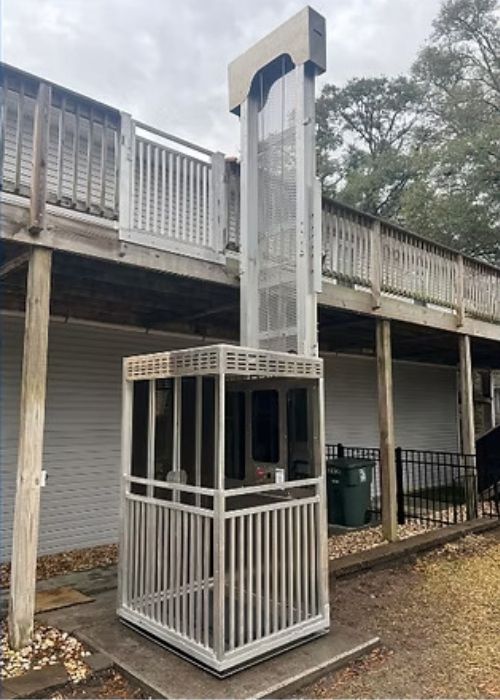
In coastal areas of the Carolinas, where homes are often built on pilings or elevated foundations, outdoor lifts are a practical solution.
A good example is The Carolina Lift, an all-aluminum and stainless passenger lift designed to handle coastal environments and raised homes. Its slip-resistant flooring, LED safety indicators, and modular design make it a strong fit for multi-level outdoor living spaces.
These systems help homeowners maintain mobility without major renovations.
Safety and Independence Over the Long Term
The goal of aging in place isn’t just about mobility, it’s about confidence. Knowing you can easily move throughout your home provides peace of mind for both you and your family.
Home elevators and lifts contribute to:
- Safer navigation throughout the home
- Reduced physical strain
- Better support for caregivers
- Comfortable, everyday accessibility
As the home becomes easier to move around in, it becomes easier to stay in.
Choosing the Right Solution for Your Home
The best approach depends on your home’s structure, lifestyle, and long-term goals. Some homeowners benefit from a simple lift, while others prefer the convenience of a full residential elevator. Many homes can accommodate both interior and exterior options, depending on the layout.
A free consultation can help determine what fits your home safely and efficiently. Most homeowners find that understanding their options is the first, and most helpful, step in planning for the future.