Home Lift vs. Home Elevator: What’s the Best Choice for Your Home?
When homeowners in North and South Carolina begin exploring accessibility upgrades, two solutions usually come to the top of the list: home lifts and home elevators. While both improve mobility and convenience, they serve different purposes and work best in different situations.
Whether you’re planning for long-term accessibility, building a multi-level coastal home, or simply want a more comfortable way to move between floors, understanding the difference between a home lift and a home elevator will help you choose the option that fits your needs.
What Is a Home Lift?
A home lift is a device designed to help an individual move between floors without using the stairs. These systems come in different styles, but the two most common include:
Stair Lifts
A seat installed along your staircase that carries one person up or down.
Platform Lifts (Vertical Platform Lifts/VPLs)
A small platform that moves vertically—often used at porches, raised entryways, or short elevation changes.
Home lifts are typically best suited for:
- Individuals with specific mobility needs
- Homes with limited space
- Situations where modifying the structure for a full elevator isn’t necessary
- Short vertical travel or single-floor access
They provide practical assistance but are not designed for carrying multiple people, household items, or heavy loads.
What Is a Home Elevator?
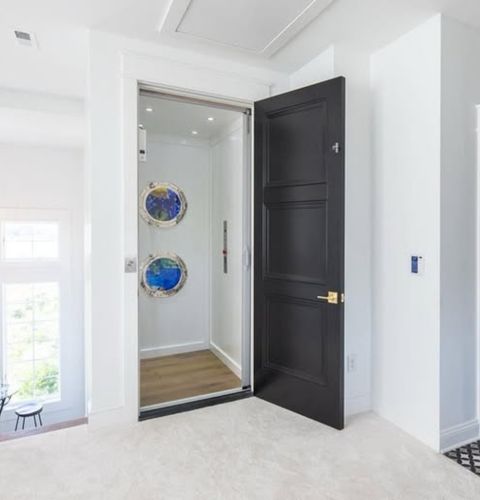
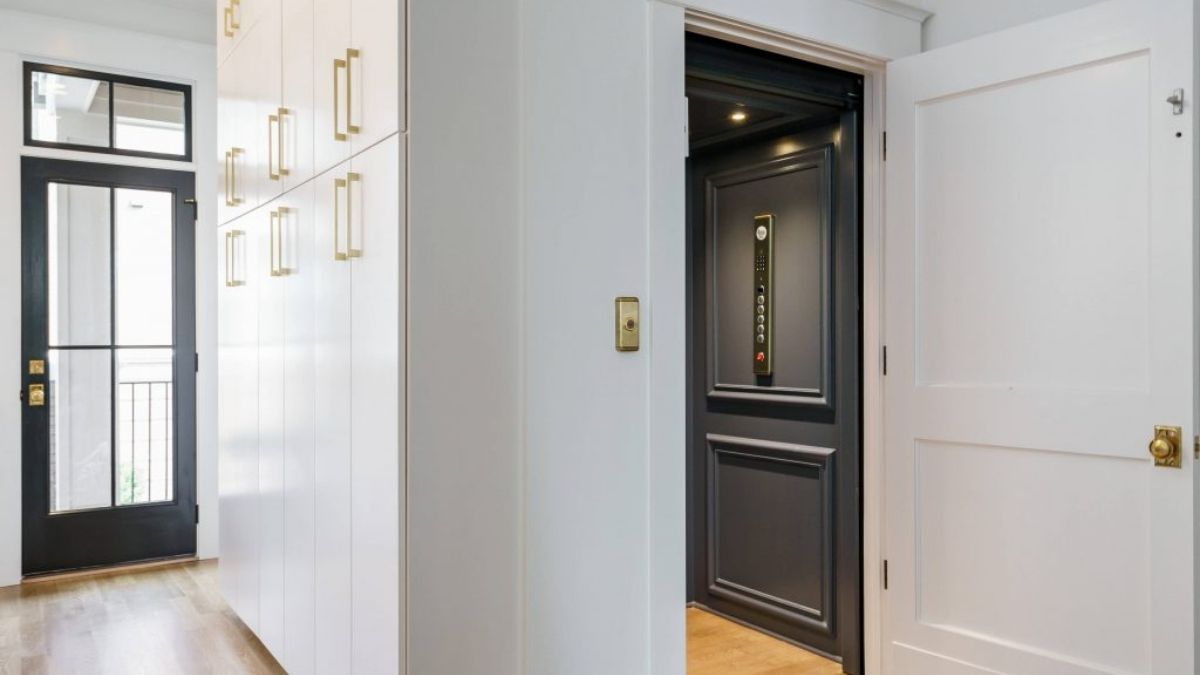
A home elevator is a fully enclosed system that moves passengers safely between floors. It functions like a traditional elevator but is designed for residential use and tailored to match your home’s layout and style.
A home elevator is ideal for homeowners who want:
- Full access to all levels of their home
- An easier way to move items like groceries, luggage, or laundry
- A long-term aging-in-place solution
- Added home value and modern convenience
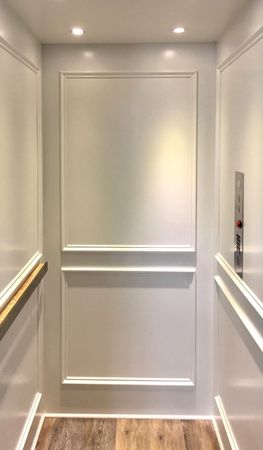
Home Elevators & Lift Products offers several systems: hydraulic, winding drum, and the popular traction model, paired with four customizable cab designs: The Myrtle Beach, Southport, Charleston, and Wilmington. Each has its own look and feel, allowing homeowners to choose a style that blends naturally into their home.
Key Differences: Home Lift vs. Home Elevator
1. Purpose and Everyday Use
- Home Lift: Designed primarily for mobility assistance.
- Home Elevator: Designed for whole-home convenience, accessibility, and daily life.
2. Capacity
- Home Lift: Usually carries one person at a time.
- Home Elevator: Can comfortably accommodate multiple passengers and household items.
3. Aesthetic and Design Options
- Home Lift: Functional but limited in design.
Home Elevator: Fully customizable with cab styles, finishes, lighting, and door configurations.
4. Home Value
- Home Lift: Helpful but doesn’t significantly impact resale value.
- Home Elevator: Often increases marketability and overall home value, especially in multi-level homes common along the Carolina coast.
5. Installation Requirements
- Home Lift: Requires minimal structural changes.
- Home Elevator: Requires shaftway or hoistway construction, planned during a remodel or new build.
Home Elevators & Lift Products’ traction system is especially popular for homeowners across the Carolinas thanks to its smooth operation, energy efficiency, and versatility in both new homes and remodels.
Which Option Is Right for Your Home?
Choosing between a home lift and a home elevator depends on your lifestyle, mobility needs, and home’s structure. If you simply need assistance with stairs or a raised entry, a lift may be all you need. If you want long-term comfort, full-home access, and a solution that blends into your home’s design, an elevator is the better investment.
A free professional consultation can help determine the safest, most practical, and most cost-effective option for your home.