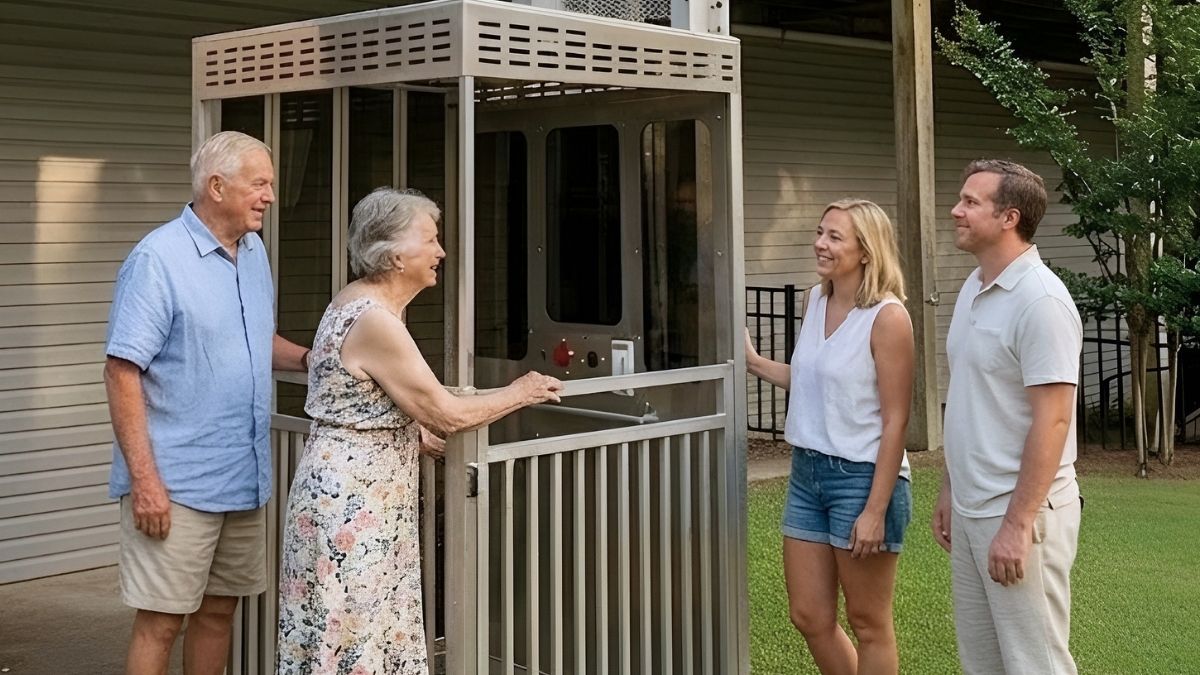
Planning Ahead for Aging Parents: How the Right Home Upgrades Can Make All the Difference
There is a version of this conversation that happens in kitchens and living rooms all over coastal Carolina. An adult child visits their parents, notices something has changed, and starts asking quiet questions on the drive home.
Did the stairs look harder than they used to? Is Dad holding the railing differently? How are they managing when no one is around?
These are not dramatic moments. They are small observations that add up to a larger concern: the home that has worked perfectly for decades may not be as manageable as it once was. And the question underneath all of it is one most families are not quite ready to say out loud yet.
How much longer can they stay?
For most families, the honest answer is longer than they think, provided the right planning happens before a crisis forces the conversation.
What Families Are Really Trying to Protect
When adult children start thinking about their parents’ living situation, the instinct is rarely to push toward a move. More often, the goal is the opposite. Families want to find a way to preserve what already exists: the home, the independence, the daily routine, and the sense of stability that comes from being somewhere familiar.
Parents tend to feel the same way. Most older adults want to remain in their own home as long as possible. They want to manage their own schedule, maintain their own space, and not feel like a burden on the people they love. That desire for independence is not just emotional. It is connected to wellbeing, dignity, and quality of life in ways that matter deeply.
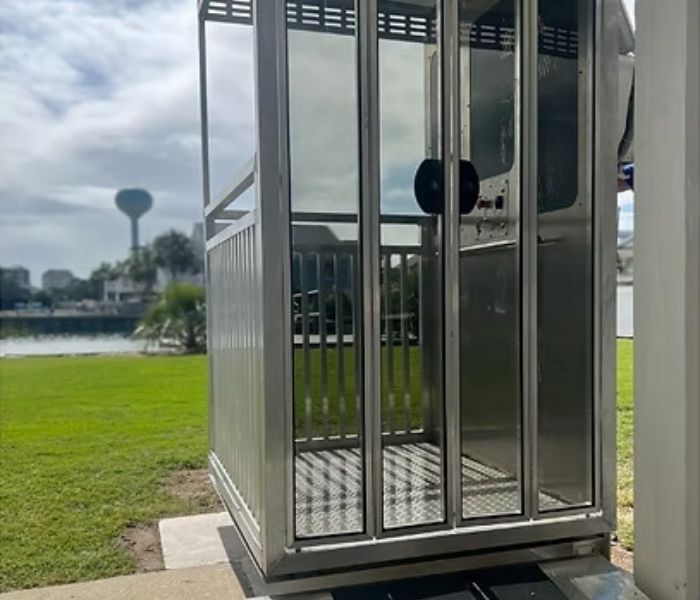
The challenge is that the home itself often has not been designed with any of this in mind. Coastal properties in particular were built for durability and flood protection, not for the needs of aging residents. What works beautifully for a family in their forties can become genuinely difficult for the same family twenty years later.
Why Coastal Homes Create Specific Challenges
In the coastal Carolinas, construction follows patterns that make sense for the environment and are difficult for aging in place. Raised foundations protect against storm surge. Garages sit below the living space. Exterior staircases are the primary entry point. Multiple stories are the norm rather than the exception.
For a healthy adult, these features are simply part of life on the coast. For an aging parent managing joint pain, recovering from a procedure, or dealing with balance issues, they become a daily obstacle course.
The challenges tend to build slowly and quietly:
None of these moments signal that it is time to leave. But they do signal that it is time to pay attention.
The Difference Between Reacting and Planning
The families who tend to navigate this phase most successfully are the ones who started the conversation before something happened. Not because they were pessimistic, but because they understood that options shrink when decisions are made under pressure.
A fall, a surgery, a sudden change in mobility. These events do not just affect the person experiencing them. They compress the timeline for everyone involved. Families find themselves researching solutions quickly, making decisions without enough information, and working around constraints that could have been avoided entirely with earlier planning.
When accessibility upgrades are considered proactively, the entire process looks different. There is time to evaluate the home thoughtfully, understand what is actually needed, and choose solutions that fit the property and the lifestyle rather than just the immediate crisis. There is also time to integrate changes in a way that feels natural, rather than reactive.
The conversation is easier, too. Talking with a parent about adding a lift or elevator as a convenience, before it becomes a necessity, is a very different discussion from having it after a fall.
Finding the Right Solution for Your Home
Starting the Conversation
If you have started noticing changes in how your parents get around the house, or you have just found yourself wondering what the next chapter looks like, you are probably already at the right point to start asking questions.
We are glad to talk through what might make sense for your home or your parents’ home. Reach out anytime, and we will help you figure out the right next step.